
FPV drone part is responsible for the video feed quality
When it comes to First-Person View (FPV) drones, video feed quality is one of the most crucial aspects, especially for pilots who require clear, real-time visuals to control their flights. Among the various components of an FPV drone, the video feed quality is primarily influenced by a specific set of parts. One of the most important FPV drone parts responsible for video feed quality is the camera. The camera is the first component to capture the live footage, and its resolution, lens quality, and sensor type can all have a significant impact on the overall video clarity. Higher-quality cameras provide better resolution and reduced distortion, which is crucial for maintaining clear visuals while flying.
Another essential FPV drone part that affects video feed quality is the video transmitter (VTx). The VTx is responsible for transmitting the video signal from the camera to the pilot’s goggles or ground station. The power output and frequency range of the VTx can affect the strength and stability of the signal. A higher-power VTx can provide a more reliable feed, especially in areas with obstacles or interference. Additionally, the VTx must be set to the appropriate frequency, ensuring that the signal doesn’t overlap with other drones operating in the same area. This aspect of the fpv drone part ensures that the video feed remains stable and interference-free, even in challenging environments.
The video receiver (VRx) also plays a significant role in determining video feed quality. The VRx is responsible for receiving the video signal sent by the VTx and displaying it on the pilot’s goggles or monitor. The quality of the VRx determines how well it can lock onto the signal, manage interference, and display the image without artifacts. A high-quality receiver will ensure that the video is clear and smooth, without issues such as static or dropouts, which can cause difficulties in piloting.
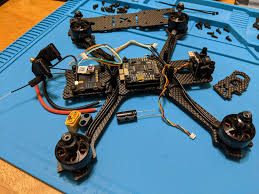
What FPV drone part is responsible for the video feed quality?
An often overlooked but crucial FPV drone part in video feed quality is the antenna. Both the VTx and VRx rely on antennas to send and receive the video signal. The type, placement, and orientation of the antennas can have a significant impact on the quality and range of the video feed. For example, omnidirectional antennas are typically used for general flying and offer a broad coverage area, while directional antennas are used to extend range and focus the signal in a specific direction. The right choice of antenna, along with proper placement, can minimize signal loss and maximize video feed quality.
Lastly, the goggles or ground station are essential for delivering the video feed to the pilot. These devices display the video signal received from the VRx, and their screen resolution, field of view, and refresh rate determine how well the video is presented. A high-quality set of FPV goggles or a ground station with a good screen can make a huge difference in the clarity and fluidity of the video feed. The goggles should have a resolution that matches the capabilities of the camera, and a high refresh rate ensures that the video feed remains smooth, reducing motion blur or stutter.
In conclusion, multiple FPV drone parts work together to determine the video feed quality. The camera captures the footage, while the VTx and VRx transmit and receive the signal. The antennas ensure the signal is strong and clear, and the goggles or ground station deliver the video to the pilot. Each of these FPV drone parts must be of high quality and properly configured to ensure an optimal video feed, making them essential for successful FPV flying.


